
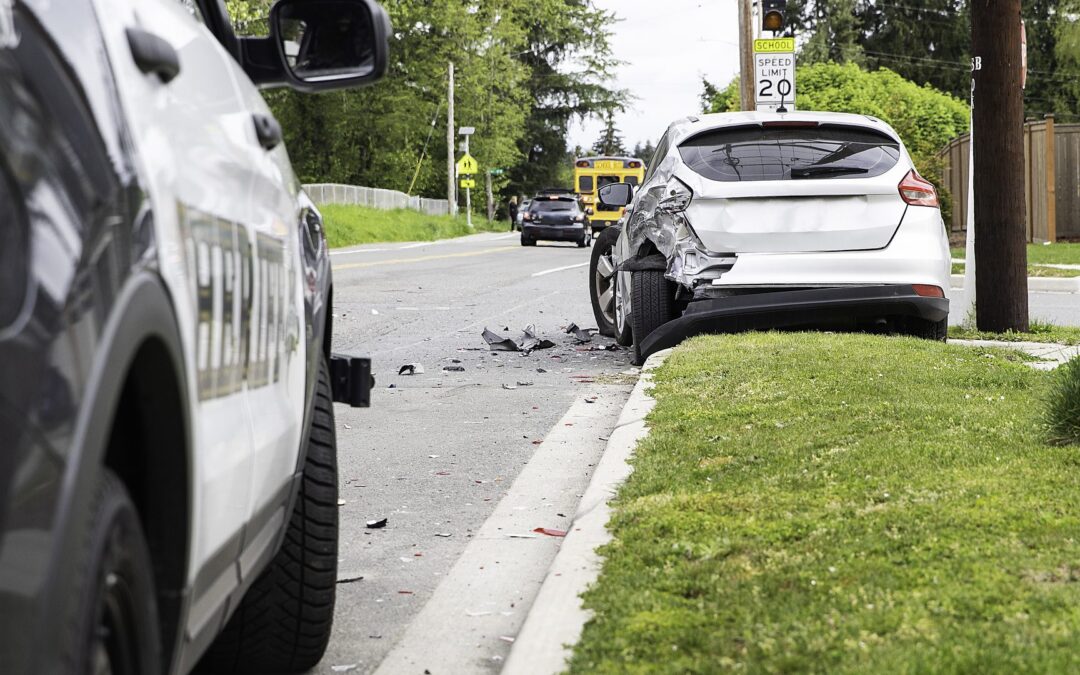
Few things are more frustrating and frightening than being involved in a car accident, only to watch the other driver speed away from the scene. You are left injured, shaken, and wondering what just happened. In Georgia, hit and run accidents happen far too often, and victims are frequently left feeling like they have no path to justice or compensation.
The good news is that Georgia law provides several legal avenues for victims of hit and run accidents. Even when the at-fault driver is never identified, you may still have options for recovering compensation for your injuries, medical bills, lost wages, and property damage. This guide walks through what Georgia law says about hit and run accidents, the steps you should take immediately after a crash, and the legal options available to you as a victim.
What Georgia Law Says About Hit and Run
Under O.C.G.A. Section 40-6-270, Georgia’s primary hit and run statute, any driver involved in an accident that results in injury, death, or damage to an occupied vehicle is legally required to take several immediate actions. Specifically, the driver must stop at the scene (or as close to it as possible without blocking traffic), provide their name, address, and vehicle registration number to the other driver, show their driver’s license upon request, render reasonable assistance to anyone who is injured, and contact emergency medical services and law enforcement if someone at the scene is unconscious, unable to communicate, or appears deceased.
A driver who knowingly fails to carry out these duties faces criminal charges. When the accident results in property damage only or injuries that are not considered serious, a hit and run is classified as a misdemeanor in Georgia. Misdemeanor penalties include fines ranging from $300 to $1,000 and up to 12 months of imprisonment. However, when the accident causes serious injury or death, the offense becomes a felony carrying one to five years in prison.
Beyond fines and jail time, a hit and run conviction also triggers a mandatory license suspension under O.C.G.A. Section 40-5-54. For a first conviction involving hit and run or another serious driving offense within five years, the initial suspension period is 12 months, though a driver may apply for early reinstatement after 120 days by completing a defensive driving or risk reduction course.
What to Do Immediately After a Hit and Run
If you are the victim of a hit and run, the steps you take in the moments and hours following the accident can make a significant difference in both your physical recovery and your legal options.
Get to safety and call 911. Your first priority is your own safety and the safety of anyone else involved. If you are injured, request medical assistance right away. Even if you feel fine, be aware that some injuries, such as soft tissue damage, concussions, and internal bleeding, may not produce noticeable symptoms for hours or even days after a collision.
Document everything you can. Try to remember as many details as possible about the vehicle that left the scene, including the make, model, color, and any portion of the license plate number you may have seen. Note the direction the vehicle was traveling when it left. If there are witnesses nearby, ask for their names and contact information. Take photos of the scene, your vehicle, any debris, skid marks, and your injuries.
File a police report. Contact law enforcement and make sure a formal accident report is filed. This report is a critical piece of documentation for both insurance claims and any future legal action. Police will often investigate hit and run crashes by searching for the vehicle, reviewing surveillance footage from nearby businesses or traffic cameras, and interviewing witnesses.
Seek medical attention promptly. Even if your injuries seem minor, get checked out by a doctor as soon as possible. Medical records that document a direct connection between the accident and your injuries will be essential if you pursue a claim for compensation.
Notify your insurance company. Report the accident to your own insurance provider quickly. Timely notification is important, especially if you plan to file a claim under your uninsured motorist coverage.
Your Insurance Options After a Hit and Run
When the other driver disappears, many victims assume they are simply out of luck. That is not necessarily the case. Several types of insurance coverage can come into play after a hit and run in Georgia.
Uninsured motorist (UM) coverage. This is often the most important type of coverage for hit and run victims. Georgia law treats an unknown hit and run driver the same as an uninsured driver. If you carry UM coverage, it can help pay for medical expenses, lost wages, and pain and suffering resulting from the accident. Georgia law requires insurance companies to offer UM coverage to all policyholders, though drivers are allowed to decline it in writing. If you never signed a written rejection, your policy may include UM coverage even if you do not remember selecting it.
There are two types of UM coverage available in Georgia. “Add-on” UM coverage allows you to collect both whatever the at-fault driver’s insurance might pay (which is nothing in a hit and run) plus the full amount of your own UM policy limits. “Reduced-by” coverage, also called “set-off” coverage, offsets any amount recovered from the at-fault driver’s insurance against your own UM limits, meaning your total recovery is capped at the higher of the two amounts.
Collision coverage. If you carry collision coverage on your auto policy, it can pay for the cost of repairing or replacing your vehicle after a hit and run, regardless of who was at fault. Keep in mind that collision coverage is optional in Georgia and is not included in a basic liability-only policy. You will also likely need to pay your deductible before coverage kicks in.
Medical payments coverage (MedPay). MedPay is another optional coverage that can help pay for medical expenses for you and your passengers after an accident, regardless of fault. This coverage can be especially helpful in the early stages after a hit and run, when medical bills are piling up and the responsible driver has not been found.
What Happens If the Driver Is Found
Law enforcement agencies in Georgia actively investigate hit and run accidents. Officers may track down the fleeing driver through witness descriptions, license plate information, surveillance camera footage, vehicle debris left at the scene, or damage to the suspect’s vehicle. In many cases, the driver’s own damaged vehicle leads police right to them.
If the at-fault driver is identified, your legal situation changes significantly. You can then file a claim directly against that driver’s liability insurance. If their insurance is insufficient to cover your losses, your own underinsured motorist (UIM) coverage can help make up the difference.
You also have the right to file a civil lawsuit against the identified driver to recover compensation for your medical expenses, property damage, lost income, pain and suffering, and other losses resulting from the accident. Georgia is a fault-based state, meaning the person responsible for causing the accident is financially liable for the resulting damages.
Georgia’s Comparative Fault Rule and How It Applies
Georgia follows a modified comparative negligence system under O.C.G.A. Section 51-12-33. Under this rule, an injured person can recover compensation as long as they are found to be less than 50 percent at fault for the accident. If you are assigned 50 percent or more of the blame, you are barred from recovering any damages at all.
When you are partially at fault but below the 50 percent threshold, your total compensation is reduced by your percentage of responsibility. For example, if you suffered $100,000 in damages but were found to be 20 percent at fault, your recovery would be reduced to $80,000.
In hit and run cases, comparative fault can still come into play. Insurance companies are well aware of this rule and may try to argue that your own actions contributed to the accident in order to reduce or eliminate what they owe you. This is one of many reasons why working with an experienced attorney can make a real difference in the outcome of your claim.
The Statute of Limitations in Georgia
Georgia law imposes strict deadlines for filing legal claims after a car accident. Under O.C.G.A. Section 9-3-33, you have two years from the date of the accident to file a personal injury lawsuit. If your claim involves property damage only, you have four years to file under the property damage statute of limitations.
These deadlines apply to lawsuits filed in court. They do not pause simply because you are negotiating with an insurance company. If the two-year window closes before you file suit, the court will almost certainly dismiss your case, no matter how strong the evidence of the other driver’s fault may be.
There are limited exceptions to these deadlines. If the injured person is a minor, the statute of limitations may be paused until they turn 18, giving them until age 20 to file. If the at-fault driver faces criminal charges, the civil statute may be tolled until the prosecution concludes, up to a maximum of six years. These exceptions are narrow, however, and should not be relied upon without legal guidance.
Additional Compensation Options
Beyond insurance claims and civil lawsuits, hit and run victims in Georgia may have access to other sources of compensation. The Georgia Crime Victims Compensation Program provides financial assistance to victims of violent crimes, which can include hit and run accidents that result in serious injury. The program may help cover medical expenses, lost income, and other costs related to the crime.
Protecting Your Rights After a Hit and Run
Dealing with the aftermath of a hit and run accident is stressful, and the legal and insurance processes involved can be confusing. Here are a few things to keep in mind as you move forward.
Do not wait to take action. Evidence disappears quickly. Surveillance footage may be overwritten. Witnesses move on and forget details. The sooner you begin building your case, the stronger your position will be.
Be careful with insurance company communications. Even your own insurance company has a financial interest in minimizing what they pay. Avoid giving recorded statements without first understanding how they may be used. Do not accept a settlement offer without fully understanding the extent of your injuries and losses.
Keep detailed records of everything. Save all medical bills, repair estimates, correspondence with insurance companies, and documentation of any time missed from work. These records form the foundation of your claim.
Consider consulting with a personal injury attorney. An attorney experienced in Georgia car accident law can help you understand your coverage, negotiate with insurance companies, gather evidence, and file a lawsuit if necessary. Most personal injury attorneys in Georgia work on a contingency fee basis, meaning you pay nothing unless they recover compensation on your behalf.
Moving Forward
Being the victim of a hit and run is a deeply unsettling experience. You may feel angry, helpless, or overwhelmed. But Georgia law provides real protections and real options for people in your situation. Whether the driver is eventually found or never identified, you likely have more legal avenues than you realize.
The most important thing you can do is act quickly, document everything, and seek qualified legal guidance. Your health, your finances, and your rights are all worth protecting.
This blog post is intended for informational purposes only and does not constitute legal advice. Laws and legal interpretations may change. If you have been involved in a hit and run accident in Georgia, consult with a qualified attorney licensed in the State of Georgia to discuss your specific situation and legal options.